



A bit about Calvados.
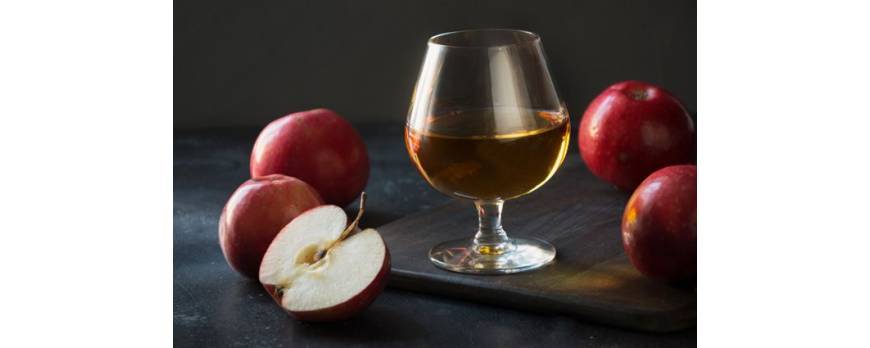
A bit about Calvados.
What apples are needed for making Calvados?
To make original Calvados, specially bred 48 varieties of Normandy apples are used. Through selection, these fruits have acquired distinctive taste characteristics due to an increased content of tannins. Apples for each type of Calvados are selected in different proportions, which are a commercial secret for each producer.
For the ready drink to have a deep and rich bouquet, you will need apples with a specific balance of sweetness and acidity. There are several recommended recipes for a classic Calvados combination:
-
40% sweet apples, 20% acidic, and 20% with bitter notes.
-
70% sweet and sour fruits, 20% acidic, 2–3% sweet, and the rest – bitter.
Late autumn varieties of apples are best suited for Calvados. Horticultural apple varieties are more suitable for Calvados than dessert varieties, as the latter have too few tannins, resulting in a bland and weak cider. It is essential to choose firm but not overripe apples. Windfalls are absolutely unsuitable for Calvados.
Pears can be added to Calvados, up to 15% of the total raw material volume.
Stages of preparation:
The apples prepared for Calvados need to be sorted, removing spoiled and overripe ones, as well as stems and leaves. Washing the apples is not necessary to avoid washing away wild natural yeast from the peel. If the fruits are heavily soiled, they can be wiped with a damp cloth.
Only dry fruits are used for processing. If apples get wet, they should be spread out to dry.
How to grind apples for Calvados:
The prepared apples need to be ground. It's unlikely that you will be able to do this manually or with a kitchen processor effectively. For fast and, most importantly, uniform grinding, it is best to use a special fruit and vegetable crusher. There are many of them available, both manual and electric, so choosing a suitable one should not be difficult.
Primary fermentation and pressing:
The crushed raw material is placed in a large container without a hydrolock for fermentation on pomace, during which maceration occurs. Usually, grape must undergoes maceration, but as you can see, this stage is also present in Calvados production. It is necessary for the juice to absorb aromatic and volatile compounds from the peel, seeds, and internal partitions of apple fruits. Primary fermentation on pomace takes about 4–5 days. After this, the raw material is sent under a press to separate the juice.
Here, I recommend not relying on your own strength but using special equipment if your goal is to make good craft Calvados. The juice should be squeezed thoroughly, almost completely. The press is the best and fastest way to achieve this.
Leave a Comment
Leave a Reply
Please login to post a comment.