What is a Hydrosol and How Does It Differ from Essential Oils?
What is a Hydrosol and How Does It Differ from Essential Oils?
Hydrosols are gaining massive popularity in natural cosmetics, aromatherapy, and holistic skincare. However, many people are still unsure what a hydrosol actually is, how it is made, and how it differs from an essential oil. Although both products are derived from the exact same steam distillation process, they feature completely different chemical compositions, concentrations of active ingredients, and methods of application.
In this article, we will take a deep dive into what natural hydrosols are, explore their production process, and help you decide when to use a hydrosol versus an essential oil.
What is a Hydrosol?
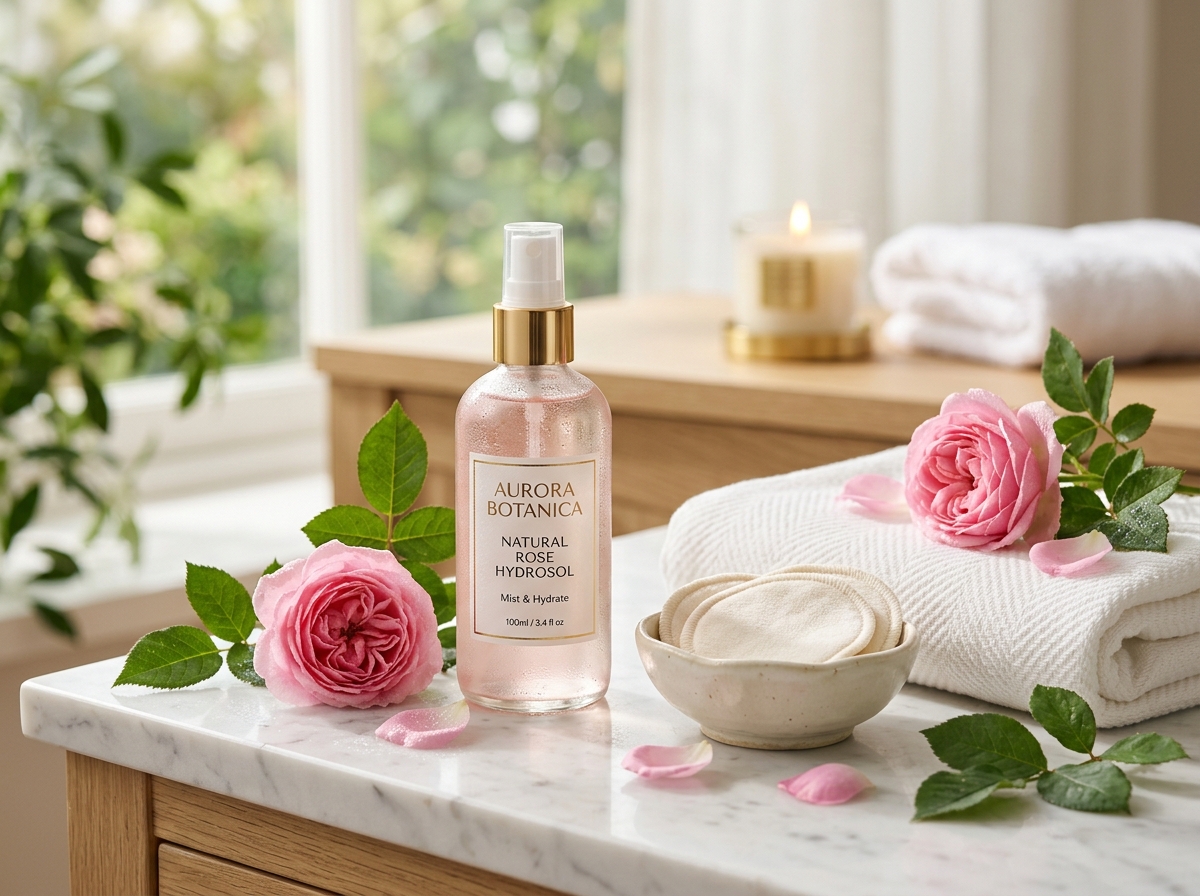
A hydrosol (also commonly referred to as floral water, flower water, or herbal distillate) is a pure, aromatic water produced during the steam distillation of plant material.
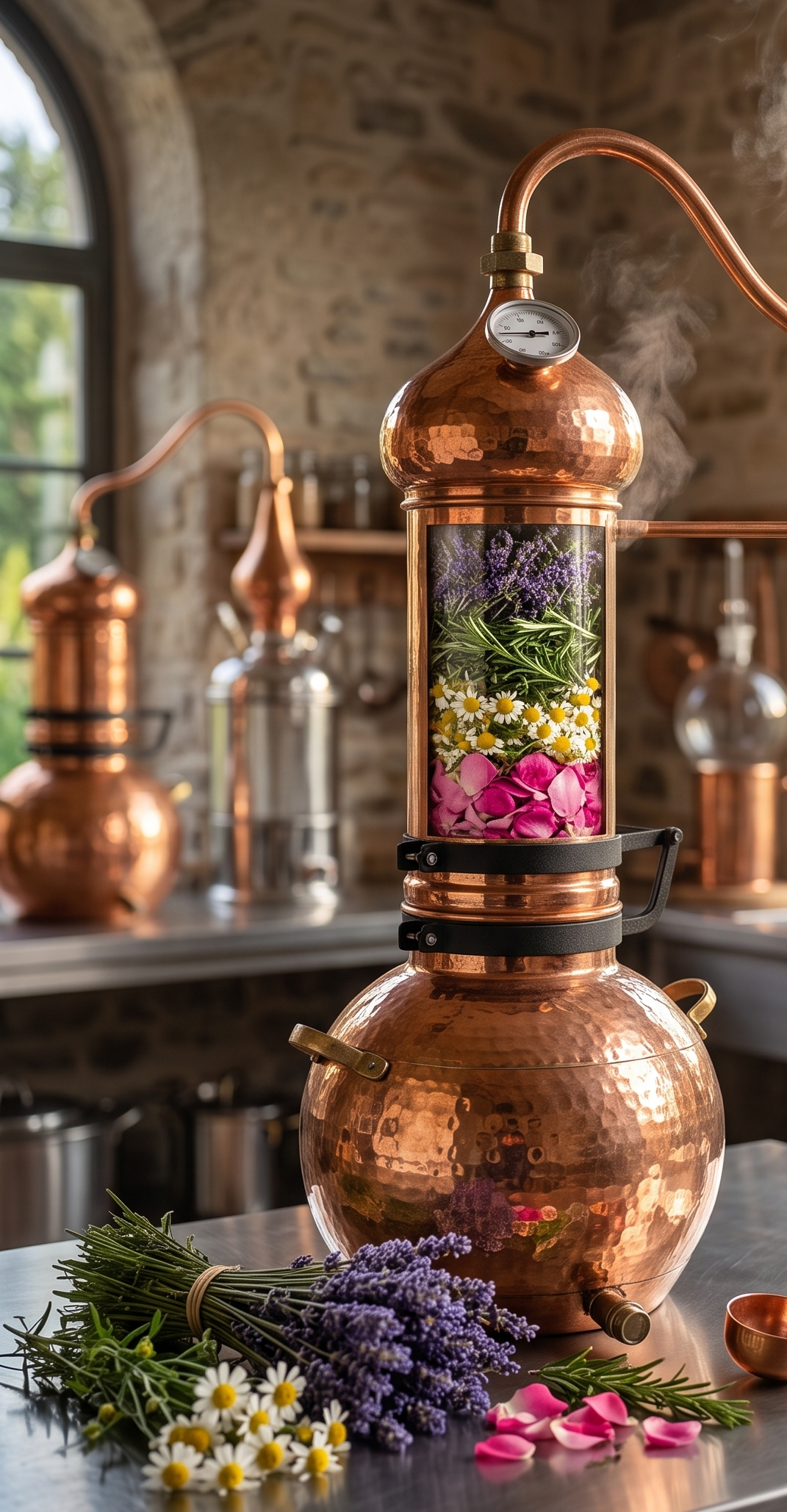
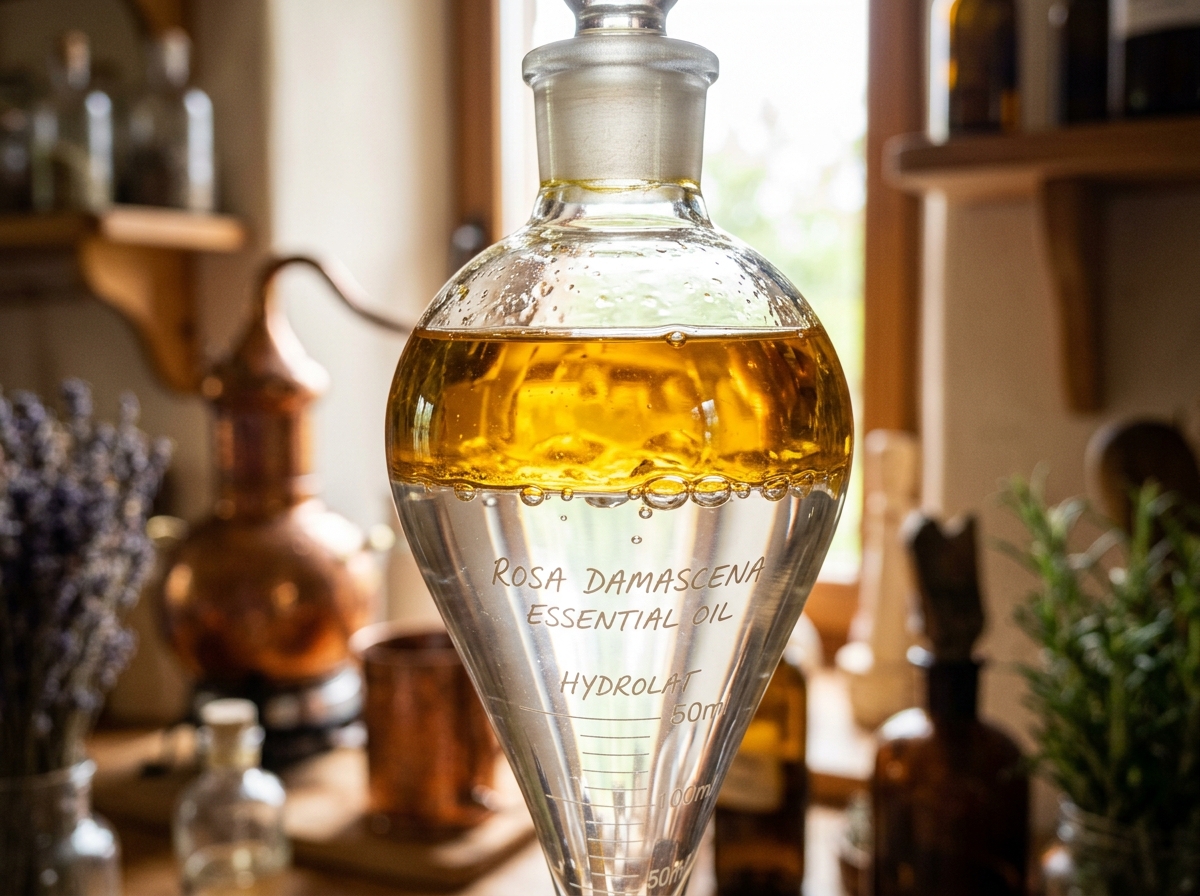
During distillation, hot steam passes through botanical matter—such as flowers, leaves, herbs, or wood. The heat breaks open the plant's cellular structures, releasing volatile essential oils and water-soluble bioactive compounds. Once the steam cools and condenses back into liquid, it separates into two distinct, incredible products:
-
Essential oil (the oil-soluble compounds)
-
Hydrosol (the water-soluble compounds)
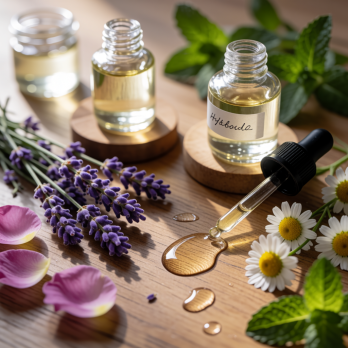
Unlike essential oils, hydrosols contain only a micro-dose of aromatic constituents. This makes them exceptionally gentle, highly versatile, and perfectly suited for daily skincare routines.
How are Hydrosols Made?
Premium, high-quality hydrosols are produced exclusively via steam distillation without any added alcohol, synthetic preservatives, artificial fragrances, or chemicals.
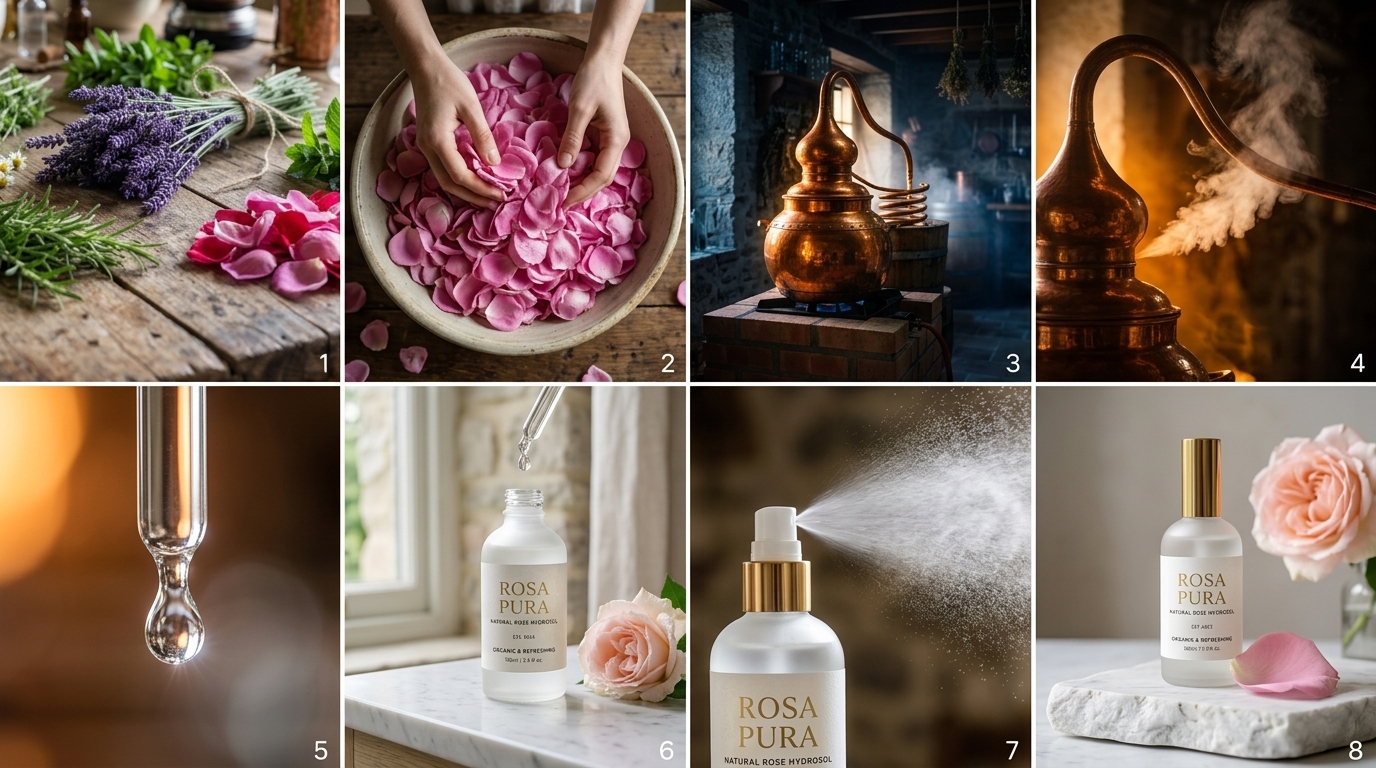
The traditional production process includes the following steps:
-
Selecting fresh botanical material (harvested at peak potency).
-
Steam distillation (passing pure steam through the plants).
-
Condensation (cooling the vapor back into liquid).
-
Natural separation (skimming the essential oil from the aromatic water).
-
Filtration and bottling.
Note: The distillation technology and equipment used directly dictate the quality of the final product. Utilizing fresh botanicals and precise distillation methods ensures that the maximum amount of beneficial, water-soluble nutrients is preserved in the hydrosol.
What is an Essential Oil?
An essential oil is a highly concentrated, volatile plant extract capturing the natural aroma and therapeutic properties of the botanical source.
Because they are so concentrated, it requires an immense volume of plant material to yield even a tiny amount of oil. For instance, it can take several tons of rose petals to distill just one kilogram of pure rose essential oil. This extreme potency makes essential oils incredibly powerful, meaning they must always be used with proper care and dilution.
Hydrosol vs. Essential Oil: Key Differences
1. Concentration
-
Essential Oils: Contain the absolute maximum concentration of a plant's lipid-soluble active compounds.
-
Hydrosols: Possess a significantly milder, water-based composition, making them safe for direct application on even the most sensitive skin types.
2. Method of Application
-
Essential Oils: Must almost always be diluted in a carrier oil (like jojoba or almond oil), lotion, or cosmetic base before touching the skin.
-
Hydrosols: Can be applied directly to the skin without dilution. Popular uses include:
-
Facial toner
-
Hydrating skin mist
-
Post-cleansing soothing spray
-
Refreshing body splash
-
Hair and scalp care
-
A nutrient-rich base for DIY natural cosmetics
-
3. Skin Benefits
-
Natural Hydrosols: Deliver immediate hydration, soothe irritation, help maintain the skin's natural pH balance, and refresh the complexion throughout the day.
-
Essential Oils: Offer highly targeted, potent therapeutic actions but carry a higher risk of irritation if misapplied.
4. Scent Profile
-
Essential Oils: Have an intense, powerful, and highly concentrated aroma.
-
Hydrosols: Feature a light, subtle, and earthy scent that closely mirrors the natural fragrance of the live plant.
Popular Types of Hydrosols and Their Benefits
Depending on the botanical source used during distillation, each hydrosol offers unique skincare benefits:
-
Rose Hydrosol (Rose Water): Provides intense hydration, improves skin elasticity, and is excellent for mature or dry skin.
-
Lavender Hydrosol: Calms inflammation, reduces redness, and perfectly suits sensitive or acne-prone skin.
-
Chamomile Hydrosol: Soothes irritation, assists with post-sun exposure recovery, and is gentle enough for children.
-
Peppermint Hydrosol: Delivers an instant cooling sensation, refreshes the skin, and helps balance oily complexions.
-
Rosemary Hydrosol: Stimulates the scalp, promotes healthy hair care, and tones oily or combination skin.
When to Choose a Hydrosol?
Hydrosols are the ultimate choice for effortless, daily holistic care. Opt for a hydrosol when you need to:
-
Gently hydrate your face and body.
-
Use a 100% natural, alcohol-free facial toner.
-
Refresh your skin during hot summer days or in dry environments.
-
Soothe sensitive, reactive, or irritated skin.
-
Elevate your skincare routine with clean, plant-based ingredients.
When to Choose an Essential Oil?
Essential oils are better suited for targeted, highly concentrated applications. Reach for an essential oil for:
-
Aromatherapy and diffusion.
-
Formulating professional-grade cosmetics.
-
Blending therapeutic massage oils.
-
Scenting homemade soaps and candles.
-
Natural home fragrancing.
Reminder: Due to their intense potency, never apply pure essential oils directly to the skin without proper dilution or checking manufacturer guidelines.
Conclusion
Understanding the difference between hydrosols and essential oils allows you to make the best choice for your wellness and beauty rituals.
While both share the exact same origin story—steam distillation—they serve entirely different purposes. Hydrosols provide gentle, daily hydration and skin-toning benefits, whereas essential oils serve as highly concentrated therapeutic powerhouses. By choosing premium, naturally distilled products crafted with proper distillation techniques, you ensure that your skin receives the pure, unaltered benefits of nature.